
Welcome to Juneau Bear Viewing
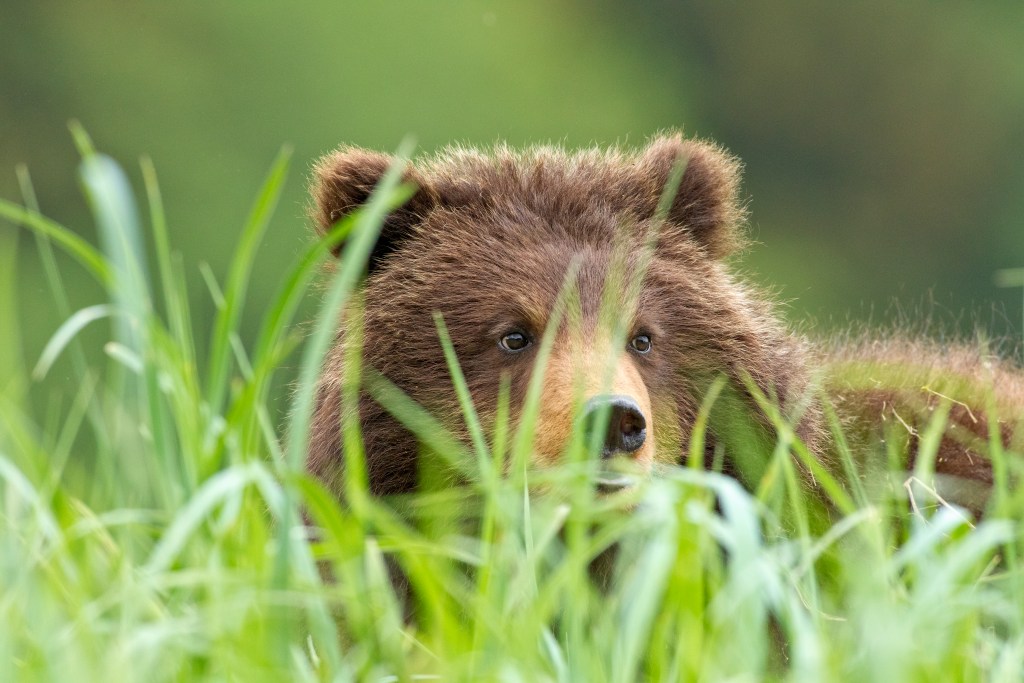
Hello, and welcome to a webpage dedicated to bear viewing in Juneau, Alaska and the nearby Tongass National Forest! This is a region where wild forests, salmon choked streams, and massive coastal islands give bears room (and reason) to roam. In coming posts we’ll share tips, best times, and how to enjoy these magnificent animals. To start: here’s a first look at where bears show up in Juneau, especially in late summer, and what makes places like Pack Creek, Waterfall Creek, and even the Mendenhall Glacier so special.
Black Bears in Town! Mendenhall Glacier & Steep Creek

Juneau isn’t just a gateway to ABC Island wilderness areas, if you’re lucky, our own backyard can provide bear viewing opportunities. Near the Mendenhall Glacier Visitor Center, black bears are drawn in by late summer salmon runs in Steep Creek. While this area can be crowded and is far from a wilderness, it can provide an opportunity to combine views of the glacier with the possibility of seeing black bears. More information on trails and fees at the glacier can be found on the US Forest Service website.
From early August into September, sockeye and coho salmon swim up Steep Creek. You’ll sometimes see mothers and cubs near the elevated boardwalks just a short walk from the Visitor Center. It’s one of the most accessible and affordable bear viewing opportunities in Alaska. No special gear is required except rain gear, a camera and patience. Please note that in recent years, some areas of the boardwalk and trails close temporarily so the bears can fish without being displaced by large audiences. (Alaska Department of Fish and Game)
Also, according to some longtime professional photographers who have observed these bears for many years, the recent passing of an individual female, and the continued growth of crowds at the visitor center have hampered the bear viewing over the last several season. We will discuss that more in later posts.
You can access the Mendenhall Glacier Visitor Center by bike, by city bus and a 1.5 mile paved walk, by cab or rental car, or by tour bus from downtown.
The ABC Islands: Pack Creek & Waterfall Creek
For brown bears and big wilderness settings, the ABC Islands (Admiralty, Baranof, and Chichagof) are world famous. Two spots stand out for visitors:

Pack Creek on Admiralty Island
Also known by its Lingít name Xootsnoowú “Fortress of the Bears,” is one of the best places in Alaska to see brown bears. Much of Admiralty Island is in the Kootznoowoo Wilderness Area, and has perhaps the highest density of coastal brown bears in the world (US Forest Service). Permits to Pack Creek are limited and access is only via floatplane or boat.
In early summer, bears gather in the estuary to forage the beach and mate before dispersing into the forest mid-summer. Beginning in late July, salmon runs cause bears to congregate again around the creek and tide flats. With or without bears, Pack Creek offers an amazing wilderness experience and a great example of the Tongass National Forest that should not be missed. (wildcoastexcursions.com)

Pack Creek limits visitors to 24 per day. Most visitors to Pack Creek are guests of a commercial service. There are three Juneau guide services permitted to fly groups to Pack Creek, as well as a handful of charter vessels that make regular stops as part of a week-long region wide trip.
Pack Creek is also accessible to un-guided groups, and the rangers on site during the peak season help to enforce management rules for the protection of the bears. Un-guided groups need to be prepared for our temperate rainforest weather, and its impact on boating and flying to/from this remote area. Groups should be prepared to overnight if weather prevents their pick up. All groups should carry bear spay and know how to use it.

Waterfall Creek on Chichagof Island
Waterfall Creek is another strikingly beautiful place where brown bears fish below a waterfall during peak salmon season (late‐July through early September). The drama of rushing water, leaping salmon, and bears fishing makes it ideal for photography and for those seeking an exciting wilderness bear viewing experience. Though the season here is shorter than at neighboring Pack Creek, this is a favorite among local guides and their guests. (wildcoastexcursions.com)
Almost all visitors to Waterfall Creek are the guests of a local guide service. This area is also a popular stop for charter vessels doing week-long trips, and even sometimes small-ship cruises who anchor a few miles away and guests visit by kayak or zodiac. Daily visitors are not capped like they are at Pack Creek, but the bear activity makes it worthwhile to risk having to share.
Both Pack Creek and Waterfall Creek are in un-roaded and un-developed areas of the ABC Islands. Bears are protected to varying degrees from bear hunting, and commercial users to these areas are strictly permitted by public land managers. Most of the rest of the Tongass National Forest is open to seasonal bear hunting which accounts for some of the variety in bear viewing quality at locations which otherwise have similar populations of bears.

Planning & What to Watch For
- Timing matters. If you’re visiting in May or June, you’ll see bears active at Pack Creek in the foraging and mating season. However it is the salmon runs (and most intense bear activity) happen later—late July through mid September. (wildcoastexcursions.com)
- Permits & access. Wild places like Pack Creek are managed; permits are required, numbers are limited. Always check ahead and plan. (US Forest Service)
- Safety & etiquette. Even when bears seem calm or familiar near trails at at designated viewing sites, they’re still wild. Stay on boardwalks, designated trails, and viewing areas. Respect closed areas, give bears space, avoid surprising them, and follow all site specific guidelines. (Alaska Department of Fish and Game)
Thanks for joining us on this journey. In future pages we’ll dive into gear, guided vs. independent viewing opportunities, “bear‐safe” logistics, and how to capture those unforgettable moments without disturbing wildlife.
Stay wild, and stay safe!
Leave a Reply